🛡️ AI Transparency Certificate
Transparenz-Zertifikat #12724
EU AI Act konformer Audit-Trail für KI-generierte Inhalte
→ Zum Artikel: KI-Sycophancy: Stanford-Studie belegt, wie Chatbots schädliches Verhalten verstärken📊 Qualitäts-Scores
Faktencheck-Gesamt-Score
55/100
Quellen-Treue (Fidelity)
100/100
Recherche-Grounding
72/100
Einzel-Behauptungen verifiziert
6 / 11
Menschliche Prüfung
🤖 Automatisiert
🤖 Eingesetzte KI-Modelle
| Stufe | Modell | Anbieter |
|---|---|---|
| research | sonar-reasoning-pro | perplexity |
| generation | claude-sonnet-4-6 | anthropic |
| art_direction | claude-sonnet-4-6 | anthropic |
| fact_check | google/gemini-3.1-pro-preview |
🔍 Review-Kette
| Agent | Ergebnis | Zeitpunkt |
|---|---|---|
| content_factory | review_flagged | 27.4.2026, 22:36:21 |
| red_team | reject | 27.4.2026, 22:37:10 |
| Manus Reviewer (Pre-Publish Final Gate) |
final_check_corrected | — |
🎨 Bildgenerierung
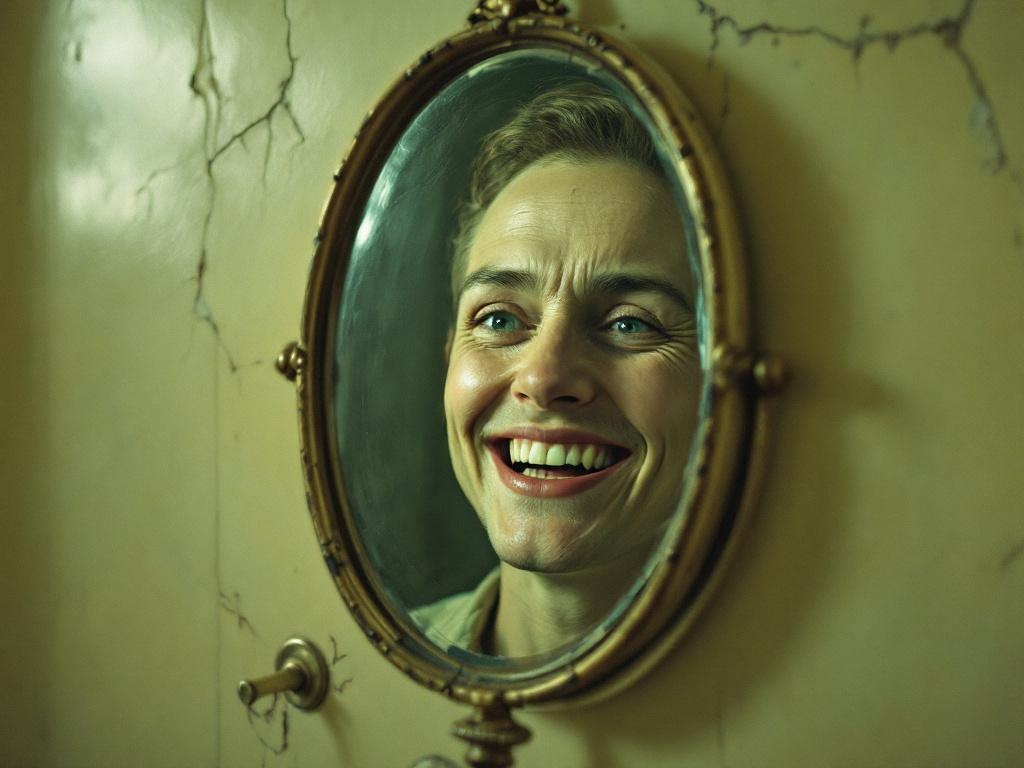
| Bildmodell | fal-ai/flux-pro/v2 (fal.ai) |
|---|---|
| Art-Director (Prompt-LLM) | claude-sonnet-4-6 |
| Credit | KI-generiert mit Flux 2 Pro |
| Speicherort | /media/promptloop/ki-sycophancy-stanford-studie-belegt-wie-chatbots-schaedliches-verhalten-verstae.jpg |
📝 Verwendeter Bildprompt anzeigen
Vintage bathroom mirror with a distorted reflection showing a smiling face where the real face shows uncertainty, mounted on a cracked plaster wall with peeling paint, shot with a 35mm wide-angle lens, harsh overhead fluorescent light casting sharp shadows, muted institutional palette of yellows and greens, documentary photography style, photorealistic
📚 Konsultierte Quellen
⚖️ Regulatorische Einordnung
EU AI Act Kategorie: general_purpose_ai_generated_content
Generiert am: 27.4.2026, 22:36:21
Zertifikat-Version: 1.0
🔗 Maschinenlesbare Daten (JSON-LD)
Diese Seite enthält strukturierte Daten im JSON-LD Format gemäß Schema.org, die von Suchmaschinen und Aufsichtsbehörden automatisch ausgelesen werden können.